Serums, injectables, or advanced procedures, peptides offer targeted skin repair with minimal downtime—making them a favorite among both patients and practitioners.Share this: Share on Facebook (Opens in new window) Facebook Share on X (Opens in new window) X
In the ever-evolving world of aesthetic medicine, peptide treatments are quickly gaining attention as a powerful, science-backed solution for healthier, younger-looking skin. Whether used in serums, injectables, or advanced procedures, peptides offer targeted skin repair with minimal downtime—making them a favorite among both patients and practitioners.
What Are Peptides?
Peptides are short chains of amino acids—the building blocks of proteins like collagen, elastin, and keratin. These proteins are essential for maintaining firm, smooth, and youthful skin. As we age, our natural production of these proteins declines, leading to wrinkles, sagging, and dullness.
Peptides act as “messengers,” signaling the skin to produce more collagen and repair itself.
How Peptide Treatments Work
Peptide-based treatments deliver these powerful molecules deep into the skin, where they:
- Stimulate collagen and elastin production
- Improve skin texture and tone
- Enhance hydration and barrier function
- Reduce fine lines and wrinkles
- Promote faster healing and skin regeneration
Depending on the method of delivery, peptides can penetrate at varying depths for both superficial and deeper skin rejuvenation.
Types of Peptide Treatments
1. Topical Peptides
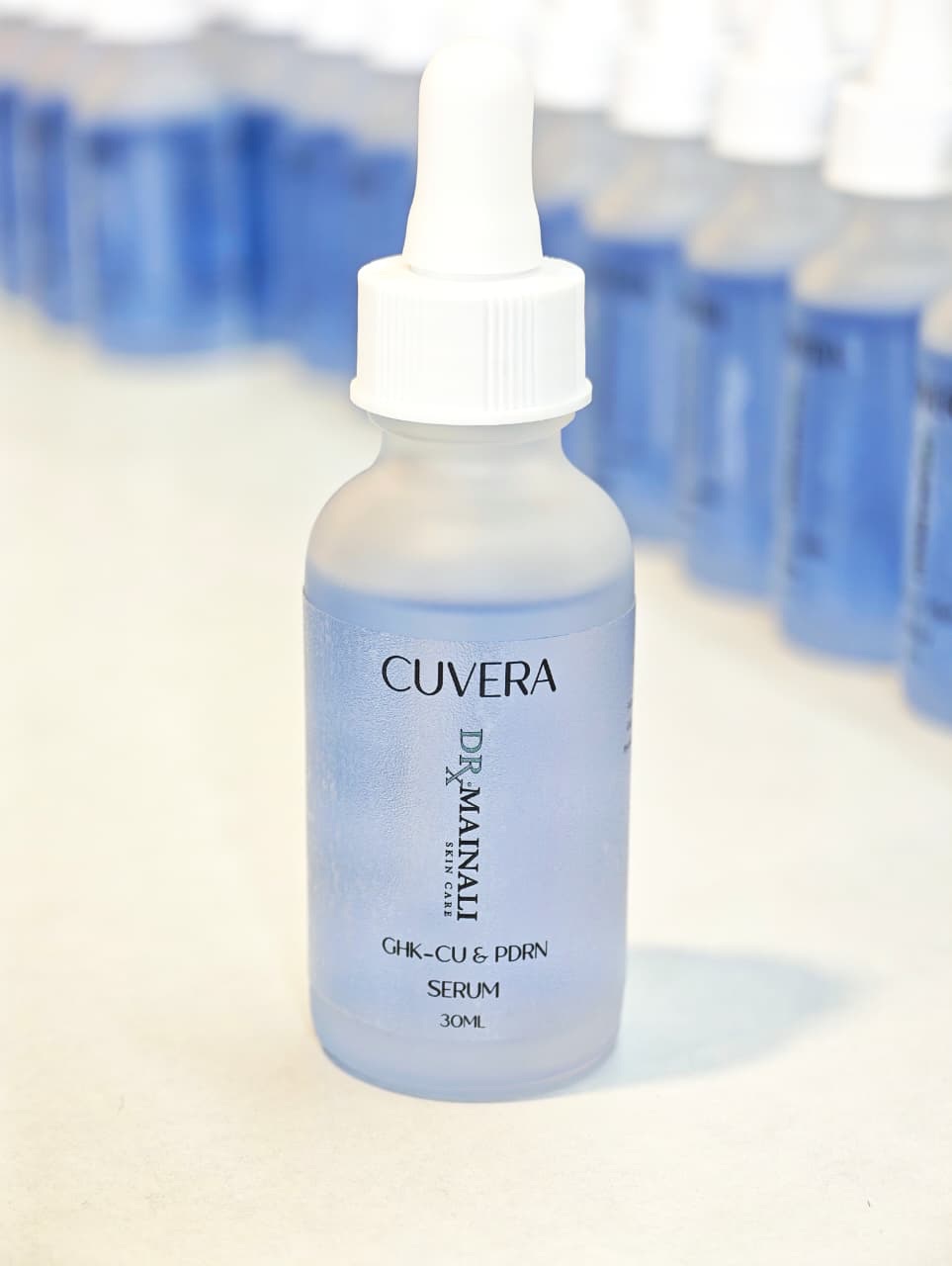
Found in creams and serums, these are ideal for daily maintenance. They help improve skin quality gradually over time.
2. Injectable Peptides
Advanced treatments involve microinjections of peptides directly into the skin, allowing for deeper penetration and faster results. These are often combined with procedures like microneedling or PRF.
3. Peptide-Enhanced Procedures
Peptides are frequently used alongside treatments such as:
- Microneedling
- Laser resurfacing
- PRF (Platelet-Rich Fibrin) therapy
This combination enhances overall results by accelerating healing and boosting collagen production.
Benefits of Peptide Therapy
- Natural Skin Rejuvenation: Works with your body’s own repair mechanisms
- Safe and Biocompatible: Low risk of allergic reactions
- Minimal Downtime: Especially with non-invasive applications
- Versatile: Suitable for anti-aging, pigmentation, acne scars, and hair restoration
- Long-Term Results: Improves skin health over time, not just temporary fixes
Areas That Can Be Treated
Peptide treatments are effective for:
- Face (fine lines, wrinkles, dull skin)
- Under-eye area (dark circles, crepey skin)
- Neck and décolletage
- Scalp (for hair growth stimulation)
- Acne scars and uneven texture
Who Is a Good Candidate?
Peptide treatments are suitable for almost all skin types and ages. They are especially beneficial for:
- Early signs of aging
- Preventive anti-aging care
- Patients looking for natural, non-surgical solutions
- Individuals with sensitive skin who cannot tolerate aggressive procedures
What to Expect
Depending on the treatment type:
- Topicals: Gradual improvement over weeks
- Injectables or procedures: Visible results within 2–4 weeks, with continued improvement over time
- Sessions: Usually done in a series for optimal outcomes
Are There Any Side Effects?
Peptide treatments are generally very safe. Mild redness, swelling, or irritation may occur temporarily, especially with injectables or combination procedures, but these typically resolve within a few hours to days.
Why Peptides Are the Future
Unlike traditional treatments that only target surface-level concerns, peptides work at a cellular level to repair and regenerate skin. This makes them a cornerstone of modern regenerative aesthetics.
Final Thoughts
Peptide treatments represent a shift toward smarter, more biologically aligned skincare. Whether used alone or combined with advanced aesthetic procedures, they offer a safe, effective, and natural way to restore youthful skin.
If tapai is looking for a treatment that enhances skin health from within—rather than just masking concerns—peptides may be the ideal solution.
Book a Consultation
It’s easy and free!

Kathmandu Clinic of Cosmetic Surgery (KCCS)
Kathmandu Clinic of Cosmetic Surgery, led by Dr. Suyog Mainali, is Nepal’s premier destination for advanced skin and laser treatments. Since 2012, we’ve helped thousands of patients achieve their cosmetic goals with cutting-edge technology and a highly skilled team.