The clinic provides consultation and treatment for complex pigmentation disorders including LPP, melasma, post-inflammatory hyperpigmentation, and resistant facial pigmentation.Share this: Share on Facebook (Opens in new window) Facebook Share on X (Opens in new window) X
Dark patches on the face, neck, or body that do not improve with regular skincare can be frustrating and emotionally distressing. One possible cause is Lichen Planus Pigmentosus (LPP), a chronic pigmentation disorder that is increasingly being diagnosed in South Asian skin types, including in Nepal.
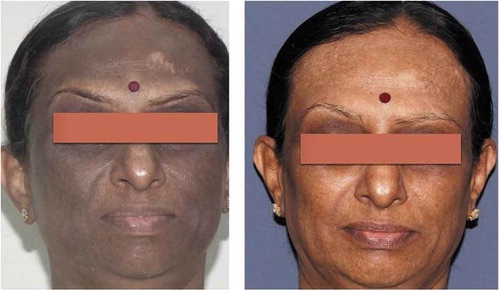
At Kathmandu Clinic of Cosmetic Surgery, advanced treatment options are available to help reduce pigmentation, calm inflammation, and improve overall skin tone safely for Nepali skin.
What is Lichen Planus Pigmentosus?
Lichen Planus Pigmentosus is a variant of lichen planus that causes gray-brown, dark brown, or bluish pigmentation on the skin. It commonly affects:
- Face
- Neck
- Underarms
- Forehead
- Temples
- Flexural areas
- Back and trunk
Unlike ordinary pigmentation, LPP is inflammatory in nature. This means the pigmentation develops because of ongoing skin inflammation, even if redness or itching is minimal.
LPP is more common in people with darker skin tones and can sometimes be mistaken for:
- Melasma
- Post-inflammatory hyperpigmentation
- Frictional pigmentation
- Macular amyloidosis
Symptoms of LPP
Common signs include:
- Diffuse brown or gray discoloration
- Patchy facial pigmentation
- Slowly spreading dark patches
- Mild itching or burning in some patients
- Pigmentation that worsens with sunlight or friction
The condition can become chronic if not treated early.
Causes and Triggers of LPP
The exact cause is not always known, but several triggers may contribute:
- Sun exposure
- Friction from clothing or rubbing
- Hair dyes or cosmetic products
- Mustard oil or fragrances
- Autoimmune inflammation
- Genetic predisposition
In many patients, multiple factors may be involved simultaneously.
How is LPP Diagnosed?
Diagnosis is usually based on:
- Clinical examination
- Dermatoscopy
- Detailed history
- Sometimes skin biopsy if needed
Correct diagnosis is important because treatment differs from ordinary pigmentation disorders like melasma.
LPP Treatment Options at KCCS
At KCCS Skin Hair and Laser Clinic, treatment is individualized depending on the severity, depth of pigmentation, and activity of inflammation.
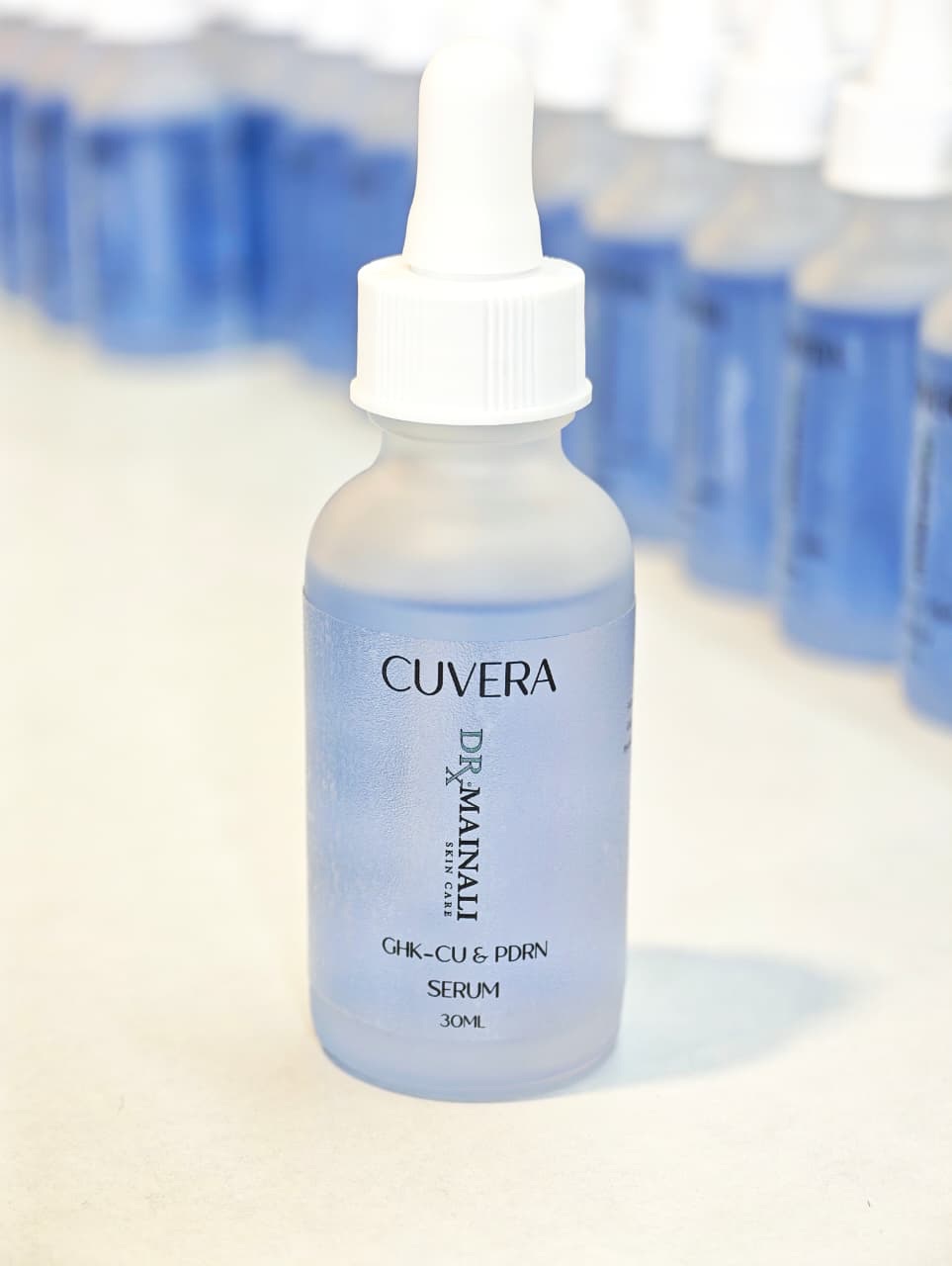
1. Medical Creams and Serums
Topical medications may include:
- Calcineurin inhibitors
- Mild anti-inflammatory creams
- Depigmenting agents
- Niacinamide-based formulations
- Tranexamic acid serums
- Barrier repair moisturizers
These help reduce inflammation and gradually lighten pigmentation.
2. Oral Medications
Some patients benefit from oral medications to stabilize active disease and reduce progression. These are prescribed only after proper consultation and assessment.
3. Chemical Peels
Carefully selected superficial peels may help improve pigmentation and skin texture.
Commonly used peels include:
- Lactic acid peels
- Mandelic acid peels
- Azelaic acid combinations
Aggressive peels are usually avoided because LPP skin can be sensitive.
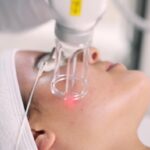
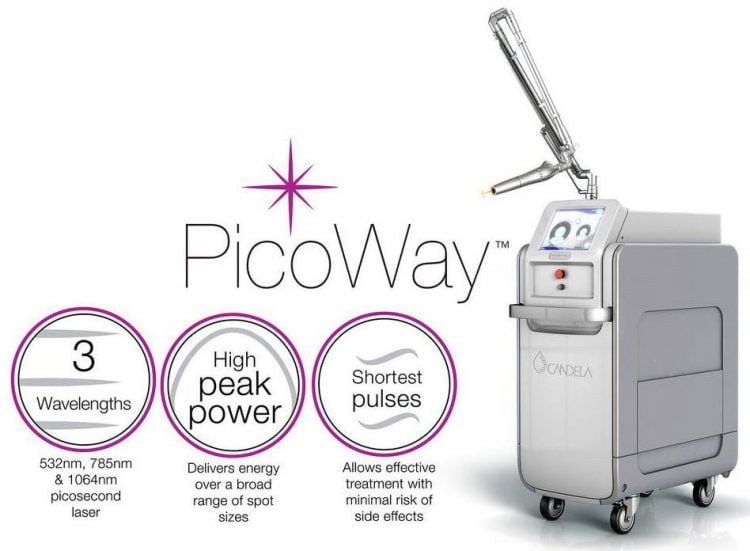
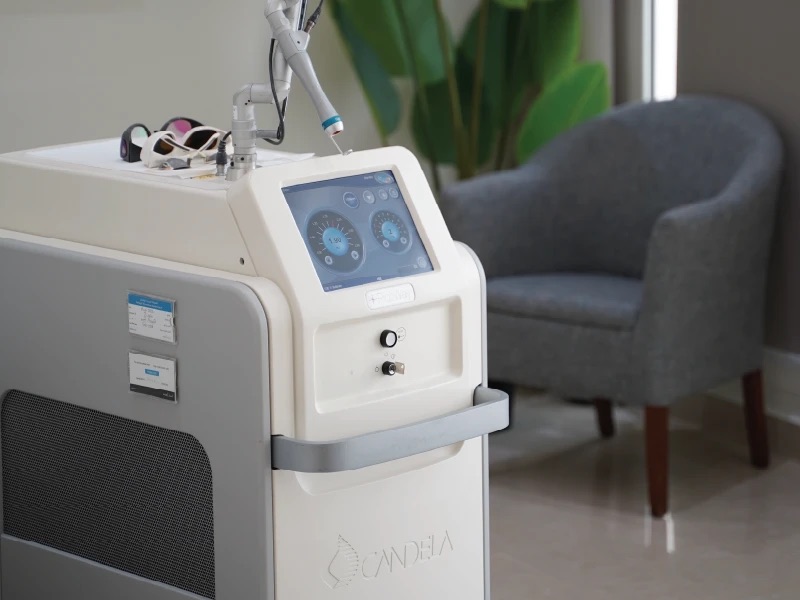
4. Laser Treatment for LPP
Advanced laser technology may help selected patients with resistant pigmentation.
Treatments may include:
- Q-switched lasers
- Picosecond lasers
- Low-fluence laser toning
- Fractional rejuvenation devices
At KCCS, laser settings are customized carefully for darker skin types to minimize the risk of worsening pigmentation.
5. Sun Protection
Daily sunscreen is one of the most important parts of treatment.
Without proper UV protection, pigmentation often recurs or worsens.
Patients are usually advised to:
- Use broad-spectrum sunscreen daily
- Avoid excessive heat exposure
- Reduce friction on affected areas
- Avoid irritating skincare products
Can LPP Be Completely Cured?
LPP can be challenging to treat because it is a chronic inflammatory condition. However, with early diagnosis and proper management, significant improvement is often possible.
The main goals of treatment are:
- Stop progression
- Reduce inflammation
- Lighten pigmentation
- Prevent recurrence
Consistency is important, and results usually develop gradually over several months.
Why Choose KCCS for LPP Treatment in Nepal?
Kathmandu Clinic of Cosmetic Surgery offers:
- Experienced skin and laser specialists
- Advanced pigmentation lasers
- Personalized treatment plans
- Treatments designed for Nepali skin types
- Combination therapy approaches for difficult pigmentation
The clinic provides consultation and treatment for complex pigmentation disorders including LPP, melasma, post-inflammatory hyperpigmentation, and resistant facial pigmentation.
Book a Consultation
If you are struggling with persistent dark patches or unexplained facial pigmentation, professional evaluation is important because early treatment can help prevent progression.