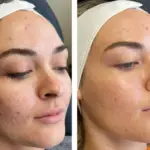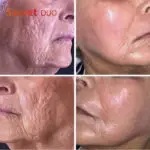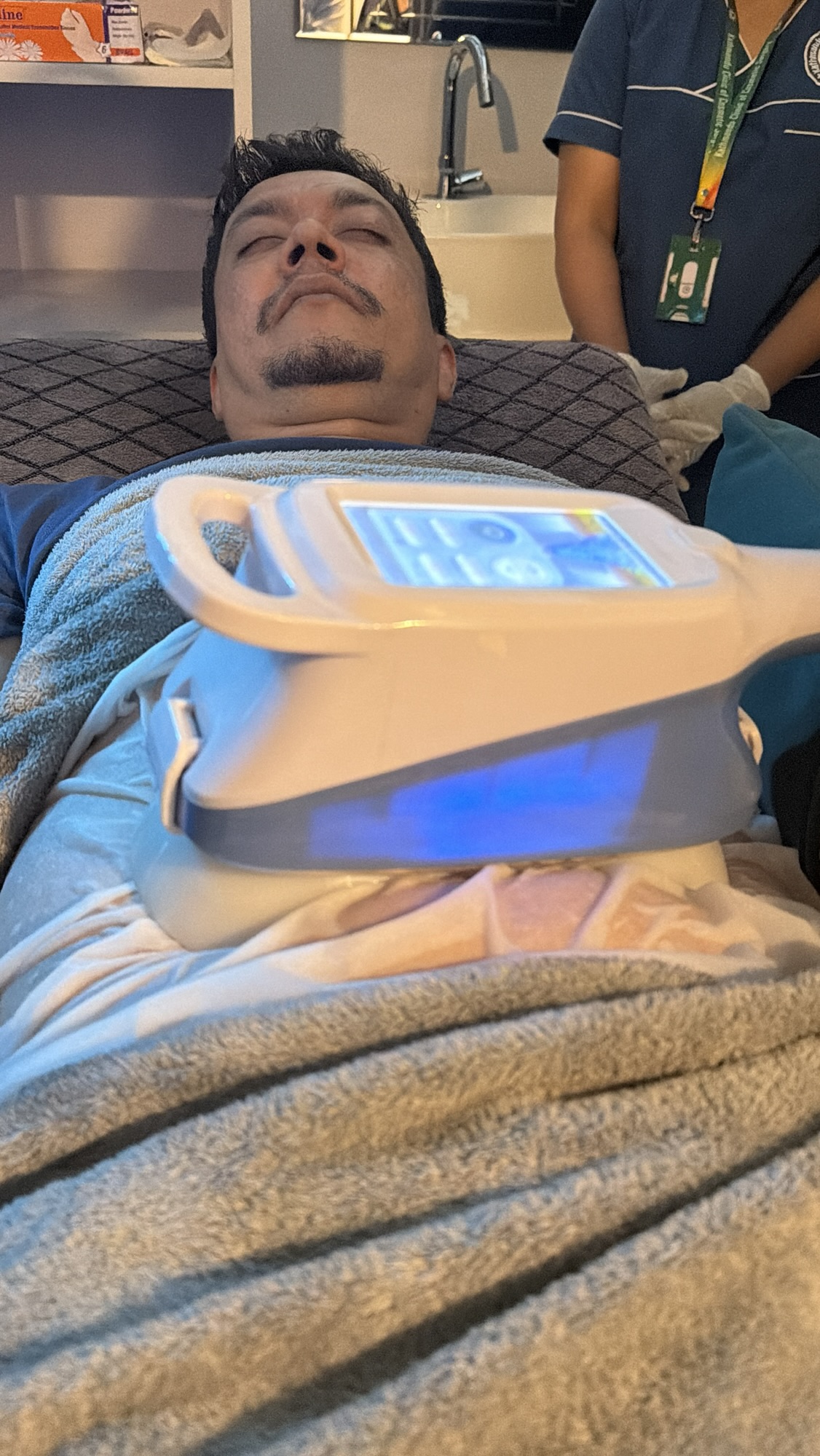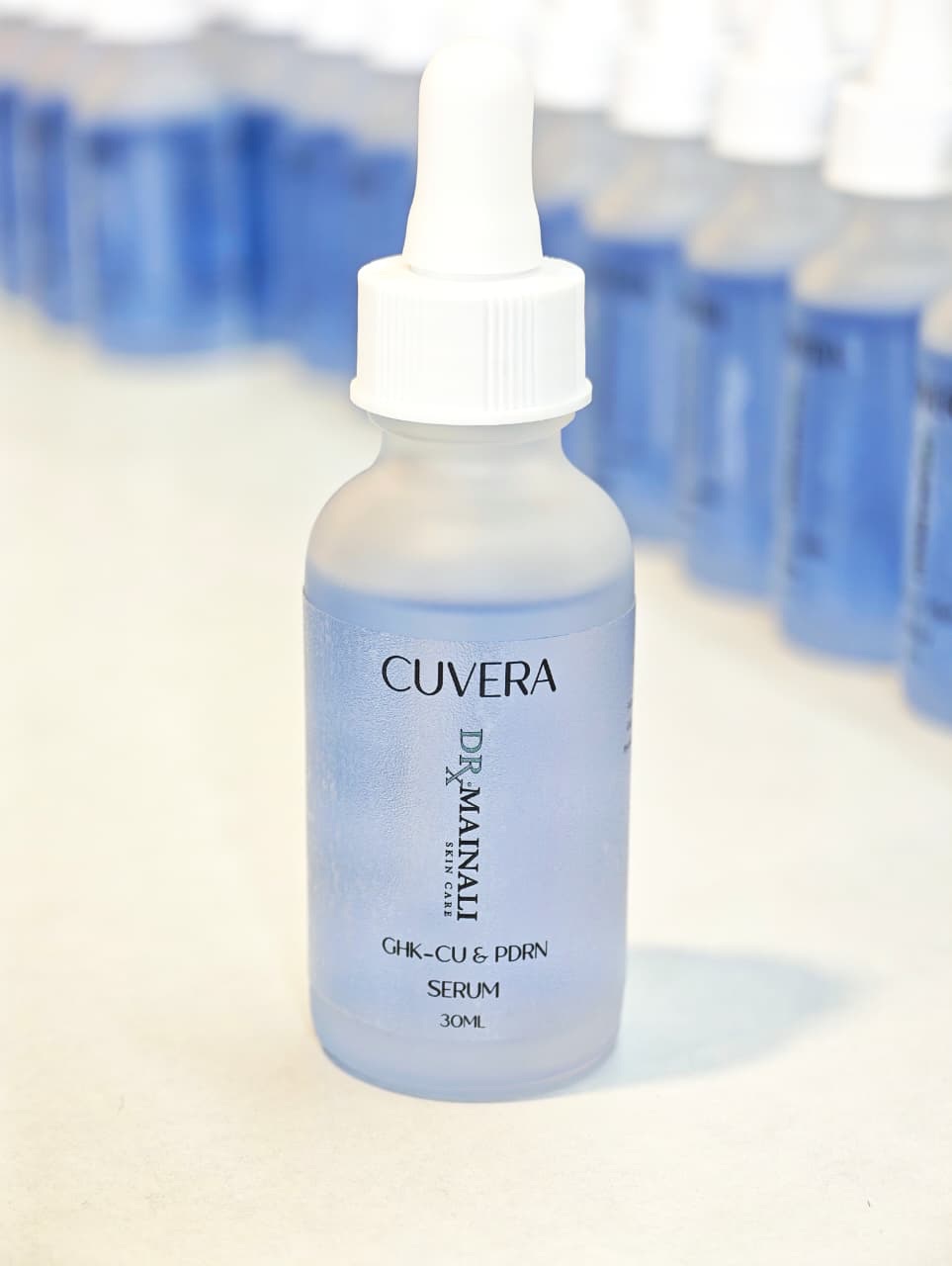
At KCCS Anamnagar, Kathmandu, we offer evidence-based, medical-grade melasma treatment using the Candela PicoWay laser combined with microneedling mesotherapy—designed for safe, long-term pigment control in Nepalese skin.Share this: Share on Facebook (Opens in new window) Facebook Share on X (Opens in new window) X
Struggling with stubborn melasma?
At KCCS Anamnagar, Kathmandu, we offer evidence-based, medical-grade melasma treatment using the Candela PicoWay laser combined with microneedling mesotherapy—designed for safe, long-term pigment control in Nepalese skin.
What is Melasma?
Melasma is a chronic pigmentation condition causing brown to grey patches on:
- Cheeks
- Forehead
- Upper lip
- Jawline
Common triggers include sun exposure, hormones (pregnancy/PCOS), genetics, and heat/inflammation.
⚠️ Melasma is not just surface pigmentation—it often involves deeper pigment and overactive melanocytes. Incorrect or aggressive treatments can worsen it.
KCCS Protocol: Safe, Layered Treatment for Lasting Results
At KCCS, we don’t rely on a single modality. We use a step-wise combination approach to clear existing pigment and reduce recurrence.
1) Skin Preparation (2–4 weeks)
Goal: Stabilize melanocytes and reduce rebound risk
- Broad-spectrum sunscreen (SPF 50+)
- Medical-grade topicals:
- Tranexamic acid (TXA) 3–5%
- Alpha arbutin 2–4%
- Niacinamide 4–5%
- Barrier repair moisturizers
2) Candela PicoWay Laser (Picosecond Laser)
Technology: Candela PicoWay (world-class picosecond platform)
How it works:
- Ultra-short pulses shatter pigment into micro-particles
- Clears pigment with minimal thermal damage
- Safer profile for Asian/Nepalese skin types
Benefits:
- Targets epidermal + dermal melasma
- Lower risk of PIH vs traditional lasers
- Improves overall skin clarity and tone
Sessions & Gap:
- 3–6 sessions
- Every 3–4 weeks
3) Microneedling + Mesotherapy
Goal: Suppress melanocyte activity & enhance laser results
Technique:
- Controlled microneedling creates microchannels
- Targeted serums delivered into deeper layers
Key actives used:
- Tranexamic acid (TXA)
- Glutathione
- Vitamin C
- Peptides
Benefits:
- Reduces pigment production
- Improves texture, pores, and glow
- Enhances longevity of results
Sessions & Gap:
- 3–5 sessions
- Every 3–4 weeks
Why Combine PicoWay + Mesotherapy?
- PicoWay: breaks down existing pigment
- Mesotherapy: controls new pigment formation
👉 This dual approach leads to better clearance + lower recurrence rates
Maintenance Plan (Critical for Melasma)
Melasma is chronic, so maintenance is essential:
- Daily SPF 50+ sunscreen (reapply every 2–3 hrs outdoors)
- Ongoing depigmenting skincare (TXA, niacinamide, arbutin)
- Maintenance sessions every 2–3 months (if needed)
Results Timeline
- 4–6 weeks: visible brightening
- 8–12 weeks: clearer, more even tone
- 3–6 months: significant improvement with consistency
✔️ Our focus is safe, gradual improvement—not aggressive over-treatment.
Who is a Good Candidate?
- Facial melasma (epidermal/mixed)
- Uneven skin tone, sun damage
- Patients with previous failed treatments
- Those seeking safe laser options for Asian skin
Why Choose KCCS Anamnagar?
- Candela PicoWay—premium picosecond laser
- Customized protocols for Nepalese skin types
- Combination therapy for better long-term outcomes
- Focus on medical safety + natural-looking results
Frequently Searched Questions (SEO FAQs)
How many sessions are needed for melasma?
Most patients need 3–6 PicoWay sessions and 3–5 microneedling sessions, spaced 3–4 weeks apart.
Is laser safe for melasma in darker skin?
Yes—when done correctly. PicoWay uses low-heat picosecond pulses, making it safer for Asian/Nepalese skin.
Can melasma come back?
It can. That’s why maintenance skincare and sun protection are essential.
Which is the best treatment for melasma in Nepal?
A combination approach (PicoWay laser + mesotherapy + medical skincare) provides the most reliable results.
Book Your Melasma Consultation
Ready to treat melasma the right way?
📍 KCCS Anamnagar, Kathmandu, Nepal
📞 Call / DM to book your consultation
Book a Consultation
It’s easy and free!

Kathmandu Clinic of Cosmetic Surgery (KCCS)
Kathmandu Clinic of Cosmetic Surgery, led by Dr. Suyog Mainali, is Nepal’s premier destination for advanced skin and laser treatments. Since 2012, we’ve helped thousands of patients achieve their cosmetic goals with cutting-edge technology and a highly skilled team.