Discover advanced Sapphire Slit Hair Transplant with GFC Biografting at Kathmandu Clinic of Cosmetic Surgery in Nepal. This modern Bio-FUE technique combines precise sapphire blade implantation with regenerative growth factor therapy to achieve natural-looking hairlines, improved graft survival, faster healing, and high-density results for hair restoration.Share this: Share on Facebook (Opens in new window) Facebook …
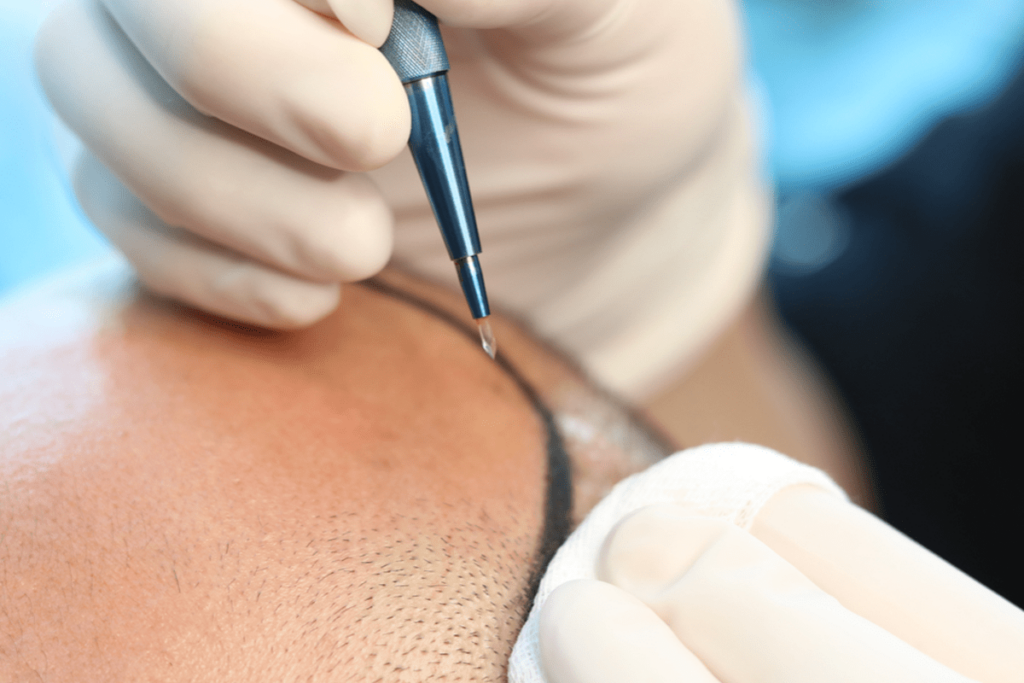
Hair loss can affect confidence, appearance, and self-image for both men and women. Modern hair restoration techniques now offer more natural-looking results with less downtime than older methods. At Kathmandu Clinic of Cosmetic Surgery (KCCS) in Kathmandu, advanced Sapphire Slit Hair Transplant combined with GFC Biografting is available for patients looking for high-density, natural hair restoration in Nepal.
What Is Sapphire Slit Hair Transplant?
Sapphire Slit Hair Transplant is an advanced form of FUE (Follicular Unit Extraction) hair transplantation. During the procedure, individual hair follicles are extracted from the donor area, usually the back of the scalp, and implanted into thinning or bald areas.
What makes this technique different is the use of ultra-fine sapphire blades to create implantation channels. These blades are sharper and more precise than conventional steel blades.
Benefits of sapphire slit technology include:
- More precise graft placement
- Higher-density implantation
- Reduced scalp trauma
- Faster healing
- Less redness and swelling
- More natural hairline design
The sapphire blades help create tiny incisions at natural angles, allowing transplanted hair to grow in a realistic direction and pattern.
What Is GFC Biografting?
GFC stands for Growth Factor Concentrate. It is a regenerative treatment derived from your own blood. The blood is processed to isolate concentrated growth factors that help support healing and tissue regeneration.
In hair restoration, GFC biografting is used alongside hair transplant surgery to:
- Improve graft survival
- Enhance healing
- Reduce recovery time
- Strengthen surrounding weak hair
- Support thicker and healthier growth
Because the treatment uses your body’s own natural growth factors, it is considered safe and minimally invasive.
How Sapphire Slit Hair Transplant with GFC Works

At KCCS Nepal, the procedure is customized according to your hair loss pattern, donor hair quality, and aesthetic goals.
The process generally includes:
1. Consultation and Hair Analysis
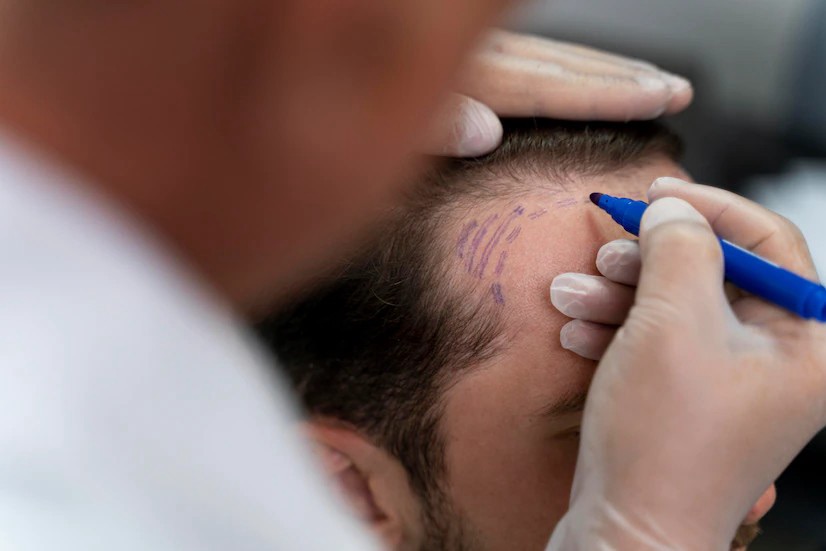
Your scalp and donor area are carefully examined. Hairline design, graft estimation, and treatment planning are performed during consultation.
2. Donor Hair Extraction
Healthy follicles are extracted individually using advanced FUE techniques under local anesthesia.
3. Sapphire Slit Channel Creation
Tiny channels are created using sapphire blades for precise and dense graft placement.
4. Graft Implantation
The extracted follicles are implanted carefully to achieve natural density and hair direction.
5. GFC Biografting Application
Growth factor concentrate is applied to the scalp to support healing and graft retention.
Advantages of Combining Sapphire Slit with GFC
Combining advanced surgical technique with regenerative therapy offers several benefits.
Natural Hairline Appearance
Precise slit creation allows hair follicles to be implanted at natural angles and directions.
Better Graft Survival
Growth factors may help nourish newly transplanted follicles during the healing phase.
Faster Recovery
Patients often experience less swelling, redness, and downtime compared to older methods.
Improved Density
The precision of sapphire blades allows closer and denser graft placement.
Minimal Scarring
FUE extraction leaves tiny dot-like scars that are usually difficult to notice.
Who Is a Good Candidate?
You may be suitable for Sapphire Slit Hair Transplant with GFC if you have:
- Male pattern baldness
- Female pattern hair thinning
- Receding hairline
- Crown hair loss
- Beard or eyebrow hair loss
- Hair loss due to scars or injury
A proper consultation is important to determine donor availability and realistic expectations.
Recovery After Hair Transplant
Recovery is generally straightforward. Most patients return to normal non-strenuous activities within a few days.
Typical recovery timeline:
- First few days: mild redness and scabbing
- 2–3 weeks: shedding of transplanted hairs
- 3–4 months: new growth begins
- 6 months: visible improvement
- 9–12 months: fuller final results
Following post-procedure instructions carefully helps optimize outcomes.
Why Choose Kathmandu Clinic of Cosmetic Surgery?
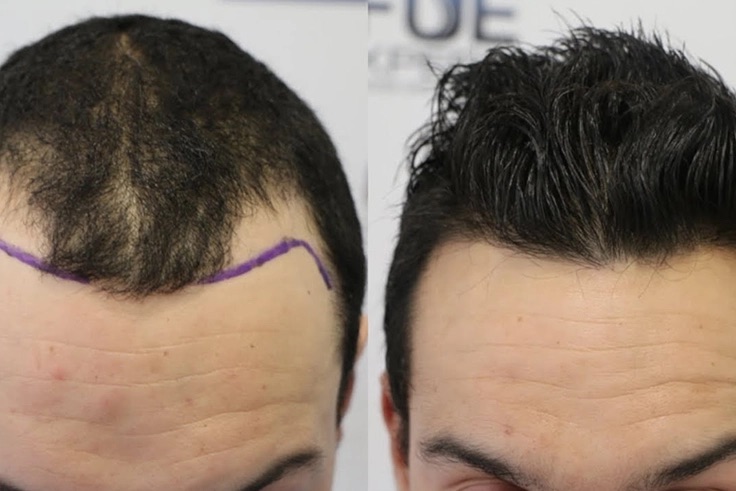
Kathmandu Clinic of Cosmetic Surgery is one of Nepal’s established centers for hair transplant, skin, and cosmetic procedures. The clinic offers modern Bio-FUE Sapphire Slit Hair Transplant techniques along with regenerative hair therapies such as GFC.
Patients choose KCCS for:
- Advanced hair restoration technology
- Natural hairline design
- Personalized treatment planning
- Experienced medical team
- Comprehensive hair loss solutions
Final Thoughts
Sapphire Slit Hair Transplant with GFC Biografting combines precision hair transplantation with regenerative science to provide natural-looking and long-lasting hair restoration results. With improved healing, enhanced graft survival, and better density, this advanced approach has become a popular option for hair restoration in Nepal.
If you are considering hair transplant surgery, a consultation at Kathmandu Clinic of Cosmetic Surgery can help determine the best treatment plan for your hair restoration goals.